

Book an Appointment
Cervical Spondylosis
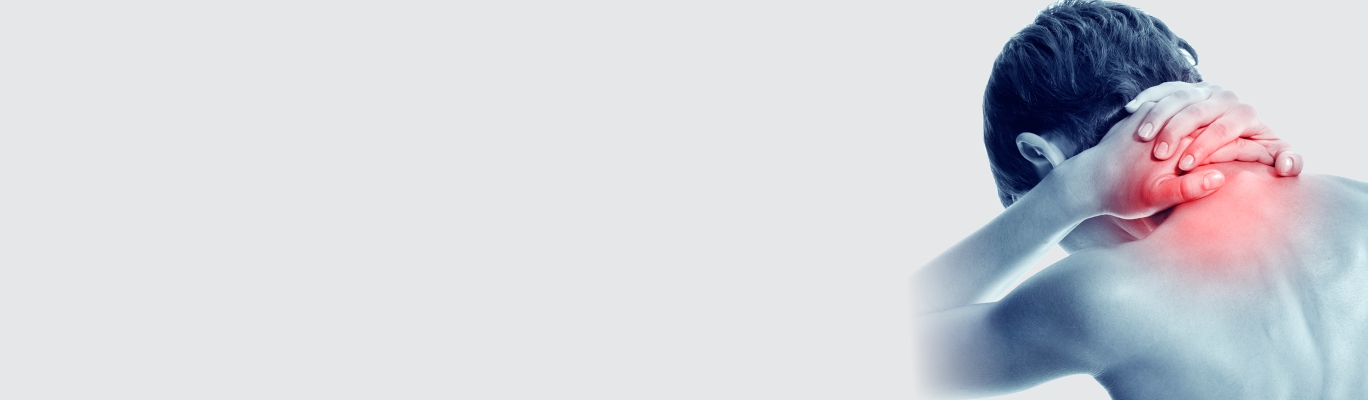
Cervical Spondylosis is a common, age-related condition that affects the joints and discs in your cervical spine, which is in your neck. It’s also known as cervical osteoarthritis or neck arthritis.
It develops from the wear and tear of cartilage and bones. While it’s largely the result of age, it can be caused by other factors as well.
According to the Cleveland Clinic, the condition is present in more than 90 percent of people aged 60 and older.
Some people who have it never experience symptoms. For others, it can cause chronic, severe pain and stiffness. However, many people who have it are able to conduct normal daily activities.
Cervical Spondylosis Causes
The bones and protective cartilage in your neck are prone to wear and tear that can lead to cervical spondylosis. Possible causes of the condition include:
Bone Spurs
These overgrowths of bone are the result of the body trying to grow extra bone to make the spine stronger.
However, the extra bone can press on delicate areas of the spine, such as the spinal cord and nerves, resulting in pain.
Dehydrated Spinal Discs
Your spinal bones have discs between them, which are thick, padlike cushions that absorb the shock of lifting, twisting, and other activities. The gel-like material inside these discs can dry out over time. This causes your bones (spinal vertebrae) to rub together more, which can be painful.
This process can begin to happen in your 30s.
Herniated Discs
Spinal discs can develop cracks, which allows leakage of the internal cushioning material. This material can press on the spinal cord and nerves, resulting in symptoms such as arm numbness as well as pain that radiates down an arm.
Symptoms of cervical spondylosis
Most people with Cervical Spondylosis don’t have significant symptoms. If symptoms do occur, they can range from mild to severe and may develop gradually or occur suddenly.
One common symptom is pain around the shoulder blade. Some complain of pain along the arm and in the fingers.
The pain might increase when:
- standing
- sitting
- sneezing
- coughing
- tilting your neck backward
Another common symptom is muscle weakness. Muscle weakness makes it hard to lift the arms or grasp objects firmly.
Homeopathic Approach
Treatment is selected according to how the pain and stiffness behave — for instance, Rhus Toxicodendron is commonly used when stiffness is worse on first movement and improves with continued motion, Bryonia when any movement aggravates the pain, and Hypericum where numbness or tingling from nerve involvement is prominent. Alongside remedies, patients are typically advised on posture correction and supportive physiotherapy, with the goal of easing symptoms and slowing further degeneration over time.